Given that I tend to walk as a way to soothe the soul and enjoy some serenity it is somewhat ironic that I walk at a fast-pace. I’m not sure if it’s because I’ve always walked a lot or if it’s in the genes but I naturally walk at an above-average speed. This is not said in anyway as a brag or a boast, as it in no way means I’m better, or worse, than anyone else. And this is where we get to the part that truly baffles me.
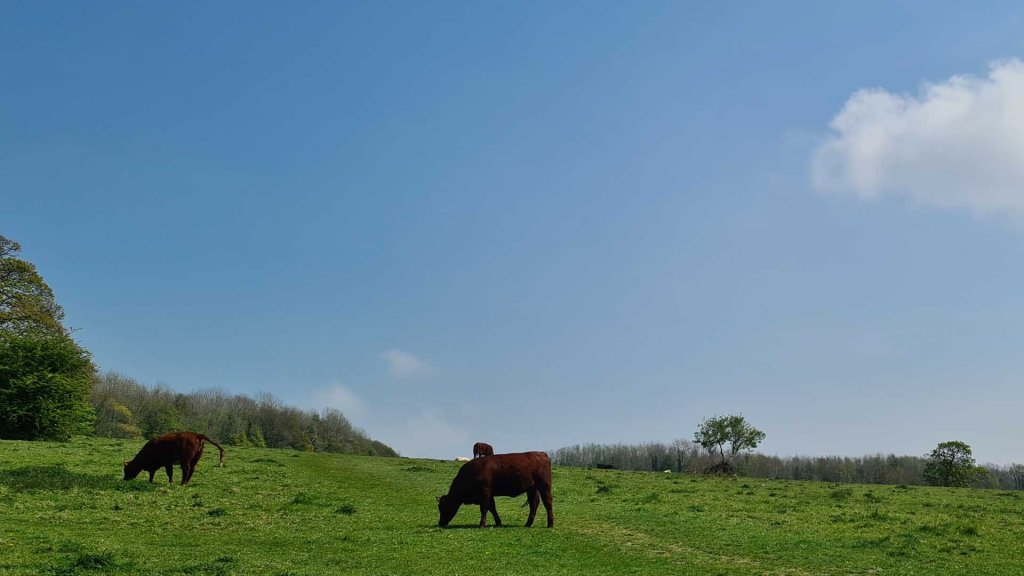
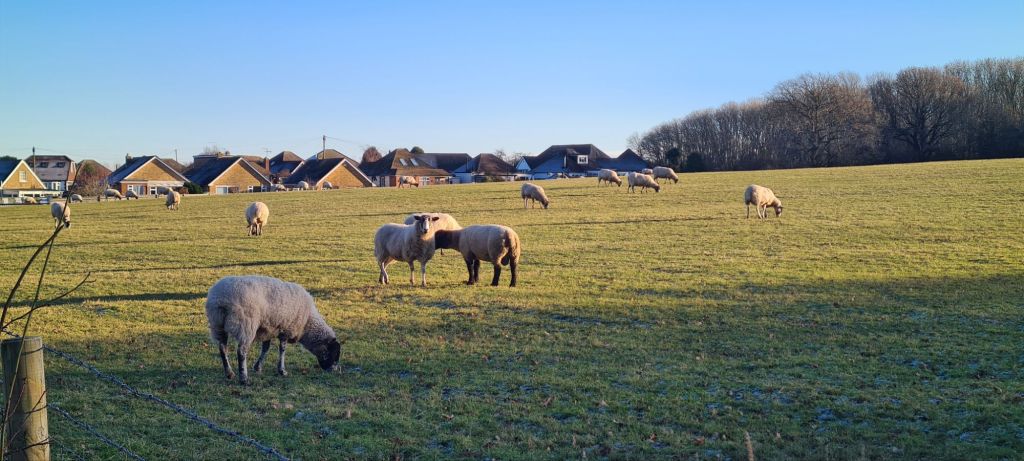
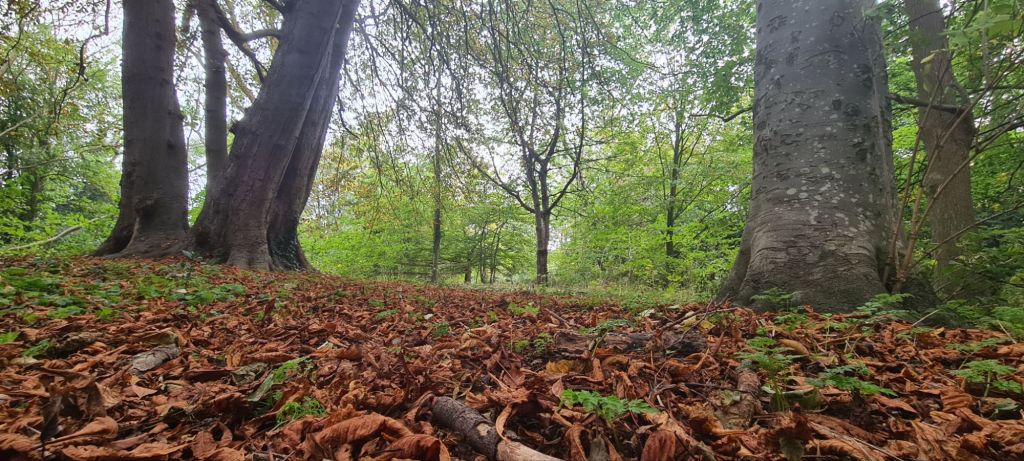
For some reason when I walk past people, more often than not they are annoyed about it. Whether it’s a tut or a huff there is usually a sign that they are disgruntled about being overtaken. One time someone even sarcastically said: “Oo sorry I’m not fast enough for you” of course by the time I heard this I was already too far away to reply. I should point out that this only ever happens when I’m walking in a town or a city, when I’m walking across fields or through a forest there’s rarely anyone to walk past and if there is then we usually smile and share a friendly greeting.
So why do urbanites get annoyed when I walk past them? I never say anything & will make a point of waiting until the path is wide enough for me to pass them without encroaching on their personal space. I ensure that my going round them has no impact on their journey and yet they are still annoyed. It seems that some people view my walking pace as a slight against them. They must assume that I am judging them for walking at a different pace to me. Which is madness. I know that while my pace is above-average I’m not the fastest walker in the land, there will be plenty of people who walk faster than I do & I wouldn’t expect them to continue to walking behind me if there is room for them to go by. Why does it matter if I’m walking behind someone or in front of them? If I’m walking behind someone should I stay behind them and risk being late just so they don’t feel embarrassed? It really is peculiar.
The only explanation I can come up with is that these are people who rarely disconnect. We live in a judgmental society – how many followers do you have, how many likes did your post get, how many steps have you done, how many calories have you burned – we are constantly under pressure to compete with each other and with ourselves. While this does happen in the real world, I think most of this competitiveness takes place online and so if we don’t occasionally have a ‘digital detox’ it can be easy to fall into the trap of believing everything is a contest, a fight for likes & approval.
When you find a way to escape the screens and stop the doomscrolling, it helps you put things back into perspective, to calm down and realise that sometimes people walk faster than you and that’s ok. They are not walking past you to annoy you, they are simply getting on with their day & living their life. Just like you.
Walking is a chance to enjoy your own company & it helps you realise that the vast majority of people are not at all interested in what you are doing. That’s not meant to sound negative, it’s actually a positive thing as it means they are not out there standing (or walking) in judgement of you so stop spending so much time worrying about what other people think of you. Give yourself a break and just be you.
That’s how I stroll.




Leave a Reply